
Quick Answer
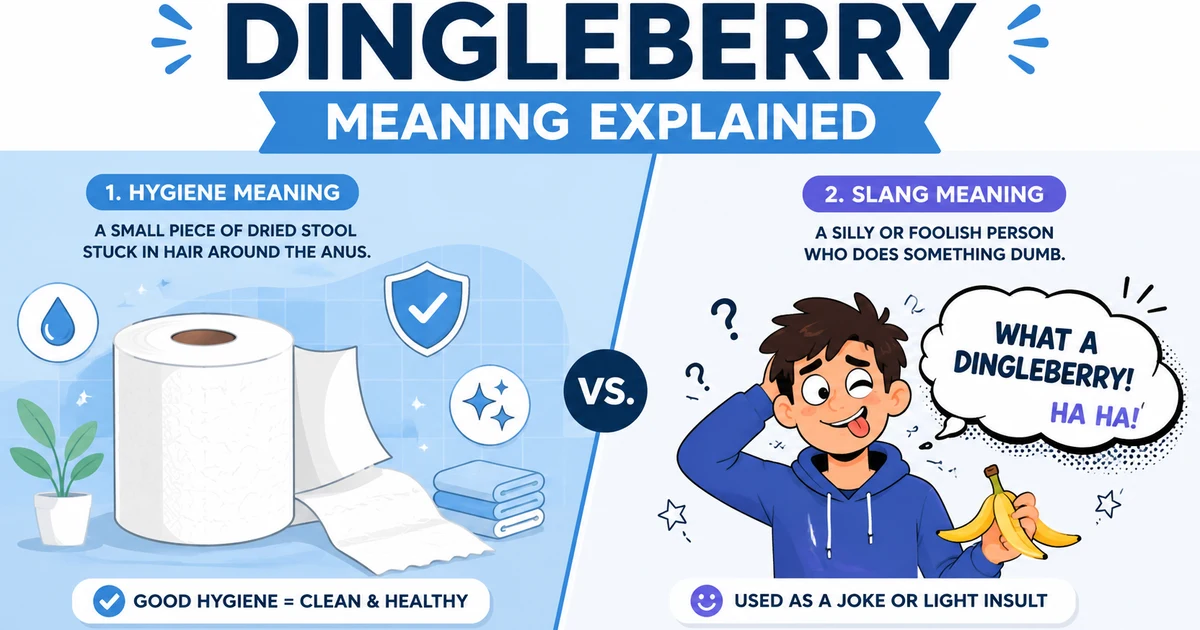
A dingleberry most commonly refers to a small piece of dried feces that becomes stuck to hair around the anus of a person or animal. It is an informal and often humorous term rather than a medical one. Good hygiene and regular grooming usually prevent dingleberries from forming.
The word also has a second meaning in casual conversation. People sometimes call someone a dingleberry as a lighthearted insult to describe a person who is acting foolish, annoying, or clueless. The intended meaning depends entirely on the context.
Introduction
If you searched for dingleberry, you may have come across the word in a joke, a social media post, a TV show, or even while looking for information about pet care or personal hygiene. Although the term sounds funny, many people are unsure what it actually means and whether it refers to a medical condition, a slang word, or something else entirely.
In everyday English, dingleberry has two well known meanings. The first is a hygiene related term describing dried fecal matter caught in hair around the anus. This meaning often appears in discussions about grooming, pets, health, and cleanliness.
The second is a playful slang insult used to describe someone who is behaving in a silly or unintelligent way. While the slang version is common in casual conversation, it is generally considered impolite in formal settings.
This guide explains both meanings in simple language. You will learn when the word is appropriate, how people use it in everyday speech, why dingleberries happen, how to prevent them, and the most common misunderstandings surrounding the term.
Meaning and Definition of Dingleberry
The primary meaning of dingleberry relates to hygiene rather than medicine.
A dingleberry is a small clump of dried stool that becomes trapped in hair around the anus. It can occur in both humans and animals, especially those with longer hair in that area. Although the word is widely recognized, healthcare professionals usually use more clinical language when discussing hygiene or digestive concerns.
Most dingleberries develop because stool sticks to hair after a bowel movement. Factors such as inadequate wiping, diarrhea, constipation, long body hair, poor grooming, or certain medical conditions may increase the likelihood of them forming. In pets, especially long haired dogs and cats, owners often notice dingleberries when grooming their animals.
The term itself is informal and often appears in humorous conversations. However, the underlying issue is real and relates to basic hygiene. Removing dingleberries promptly helps prevent discomfort, unpleasant odors, skin irritation, and bacterial buildup.
Slang Meaning
In casual English, dingleberry can also describe a person who is acting foolish or making poor decisions.
For example:
- Stop being such a dingleberry and pay attention.
- He forgot his keys again. What a dingleberry.
In this context, the word is usually intended as a mild insult or playful tease rather than a serious offense. Friends may use it jokingly, but it may sound rude if directed at someone who does not know you well.
Dingleberry Meaning Comparison
| Meaning | Where It Is Used | Simple Explanation | Example |
|---|---|---|---|
| Hygiene term | Personal hygiene, pet care | Dried stool caught in hair | The dog needed grooming because it had a dingleberry. |
| Slang insult | Casual conversation | A silly or foolish person | Don’t be a dingleberry. Read the instructions first. |
Practical Usage
Understanding the context is the easiest way to know which meaning of dingleberry someone intends.
In Personal Hygiene
People may use the word when discussing cleanliness after using the bathroom. Parents, caregivers, and pet owners sometimes use it because it sounds less clinical than medical terminology.
Examples include:
- Make sure to wipe thoroughly so you do not leave a dingleberry.
- Long body hair can sometimes make dingleberries more likely.
In Pet Care
Pet owners frequently use the term when talking about dogs and cats with long fur. Groomers may also mention the problem when explaining why regular trimming around the rear area helps keep pets clean and comfortable.
Examples include:
- My Golden Retriever came inside with a dingleberry stuck in his fur.
- Regular grooming helps prevent dingleberries in long haired pets.
In Casual Conversation
As slang, the word is usually playful and humorous rather than deeply insulting. It is more common among friends, siblings, or in comedy than in professional environments.
For example:
- You’re such a dingleberry for leaving your phone at home again.
- We laughed because he acted like a complete dingleberry during the game.
Even though many people treat it as harmless teasing, it is still best to avoid using it with strangers, coworkers, teachers, or anyone who may find it disrespectful.
Examples of Dingleberry in Everyday Use
Seeing the word in context makes it much easier to understand. Here are examples of both its hygiene and slang meanings.
Hygiene Examples
- The puppy had a dingleberry caught in its fur after playing outside.
- She cleaned the cat and removed a small dingleberry during grooming.
- Regular trimming around the rear can help prevent dingleberries in long haired dogs.
- After using the restroom, proper wiping helps reduce the chance of a dingleberry forming.
Slang Examples
- Don’t be a dingleberry. Read the directions before you start.
- My brother acted like a dingleberry when he forgot his wallet for the third time.
- They joked that he was being a dingleberry after he accidentally locked himself out of the house.
- Stop acting like a dingleberry and help us finish the project.
In most conversations, the surrounding words make it clear which meaning is intended.
Common Use Cases
The word dingleberry appears in several different situations. Understanding these helps prevent confusion.
Personal Hygiene
Parents, caregivers, and individuals sometimes use the word when discussing bathroom hygiene in a simple and less formal way. While it is not a medical term, many people recognize it immediately.
Pet Care
Veterinarians, groomers, and pet owners often mention dingleberries when talking about long haired pets. Dogs and cats with thick fur around their hindquarters are more likely to develop them if grooming is neglected.
Regular brushing, trimming, and cleaning help reduce the problem and keep pets comfortable.
Humor and Comedy
The unusual sound of the word has made it popular in comedy, cartoons, movies, and online memes. Because of its humorous nature, it often appears in jokes rather than serious discussions.
Friendly Teasing
Among close friends or family members, calling someone a dingleberry may simply mean they made a silly mistake. However, tone and relationship matter. Someone unfamiliar with the joke may find the word rude or offensive.
Similar Terms and Related Phrases
Several words relate to dingleberry, but they do not all mean exactly the same thing.
| Term | Meaning | Best Use | Example |
|---|---|---|---|
| Dingleberry | Dried stool caught in hair or a silly person | Informal | The dog had a dingleberry. |
| Cling on | Something that sticks | Casual description | The mud was a cling on. |
| Fool | Someone acting unwisely | Everyday conversation | Don’t be a fool. |
| Goofball | A playful, silly person | Friendly settings | He’s such a goofball. |
| Idiot | Strong insult for someone acting foolish | Use with caution | That was an idiotic decision. |
Although some of these words can describe a foolish person, dingleberry stands out because it also has a hygiene related meaning.
Common Mistakes People Make
People often misunderstand the word or use it incorrectly. Here are the most common mistakes to avoid.
Thinking It Is a Medical Diagnosis
A dingleberry is not a medical condition or disease. It is simply an informal name for dried fecal matter trapped in hair.
Assuming It Only Refers to Pets
Many people first hear the word while talking about dogs or cats, but humans can also experience the same hygiene issue.
Using It in Formal Situations
Because the word is slang, it is generally inappropriate in workplaces, schools, business emails, or professional conversations.
Confusing the Slang and Hygiene Meanings
The same word can describe either a hygiene issue or a foolish person. Always rely on the surrounding context before deciding what someone means.
Ignoring Repeated Hygiene Problems
An occasional dingleberry is usually related to grooming or wiping habits. However, if it happens frequently despite good hygiene, or if it comes with pain, bleeding, severe itching, or ongoing digestive changes, it is a good idea to speak with a qualified healthcare professional to rule out an underlying problem.
Hygiene Tips to Prevent Dingleberries
In most cases, simple hygiene habits are enough to prevent dingleberries.
Wipe Thoroughly
Clean the area carefully after every bowel movement. Using enough toilet paper or unscented moist wipes can improve cleanliness. If using wipes, choose ones that are safe to flush only if your local plumbing system supports them, or dispose of them properly.
Keep the Area Clean
Daily bathing or showering helps remove bacteria, sweat, and any residue that could contribute to irritation or buildup.
Trim Excess Hair
People with thick or long hair around the anus may find that careful trimming makes cleaning easier. Many pet groomers also trim fur around the hindquarters of long haired dogs and cats to reduce the chance of dingleberries.
Eat Enough Fiber
A balanced diet with adequate fiber and water often supports healthy bowel movements. Well formed stools are generally easier to clean than loose or sticky stools.
Groom Pets Regularly
Long haired pets benefit from regular brushing, trimming, and bathing. Routine grooming helps prevent mats, trapped debris, and dingleberries while keeping the animal more comfortable.
When Should You Be Concerned?
A single dingleberry is usually a hygiene issue rather than a medical emergency.
However, you should consider seeking medical advice if you notice:
- Frequent dingleberries despite good hygiene
- Persistent diarrhea or chronic constipation
- Blood in the stool
- Severe pain during bowel movements
- Ongoing itching, swelling, or skin irritation
- Unexplained changes in bowel habits lasting several weeks
For pets, consult a veterinarian if your dog or cat repeatedly develops dingleberries, especially if they also have diarrhea, scooting, weight loss, or signs of discomfort. These symptoms could point to digestive issues, parasites, or grooming needs that require professional attention.
Conclusion
The word dingleberry has two widely recognized meanings. Most often, it refers to dried stool caught in hair around the anus, making it a hygiene related term rather than a medical diagnosis. In casual conversation, it can also describe someone who is acting silly or making poor decisions.
Understanding the context helps you recognize which meaning is intended. Whether you encounter the word while discussing personal hygiene, pet care, or everyday slang, remembering its two common uses will help you avoid confusion. Good hygiene and regular grooming are usually enough to prevent dingleberries, while the slang meaning is best reserved for lighthearted conversations among people who know each other well.
FAQs
What does dingleberry mean?
The word dingleberry most commonly refers to a small piece of dried stool that becomes stuck in hair around the anus. It is an informal term used in everyday conversation. It can also be used as a playful insult for someone acting foolish or clueless.
Is dingleberry a medical term?
No. Dingleberry is not a medical or scientific term. Healthcare professionals typically use more clinical language when discussing hygiene or digestive issues. The word is informal and is often used humorously.
Why do dingleberries happen?
Dingleberries usually form when stool becomes trapped in hair after a bowel movement. They are more likely to occur if someone has longer body hair, does not clean the area thoroughly, or experiences loose or sticky stools. In pets, long fur around the hindquarters can also contribute.
How can you prevent dingleberries?
Good hygiene is the best prevention. Wipe thoroughly after using the bathroom, wash the area regularly, keep excess hair trimmed if needed, and maintain a healthy diet with enough fiber and water. For long haired pets, routine grooming helps reduce the risk.
Can humans and animals both get dingleberries?
Yes. Both people and animals can develop dingleberries. The problem is especially common in long haired dogs and cats because stool can easily become trapped in their fur.
Is calling someone a dingleberry offensive?
It depends on the situation. Friends or family members may use it as a playful joke, but it is still an insult. In professional settings or with people you do not know well, it is best to avoid using the term.
Does having a dingleberry mean you have a health problem?
Not necessarily. An occasional dingleberry is usually related to grooming or hygiene. However, if it happens frequently despite proper cleaning or is accompanied by pain, bleeding, diarrhea, constipation, or other digestive symptoms, you should consult a healthcare professional.