
Quick Answer
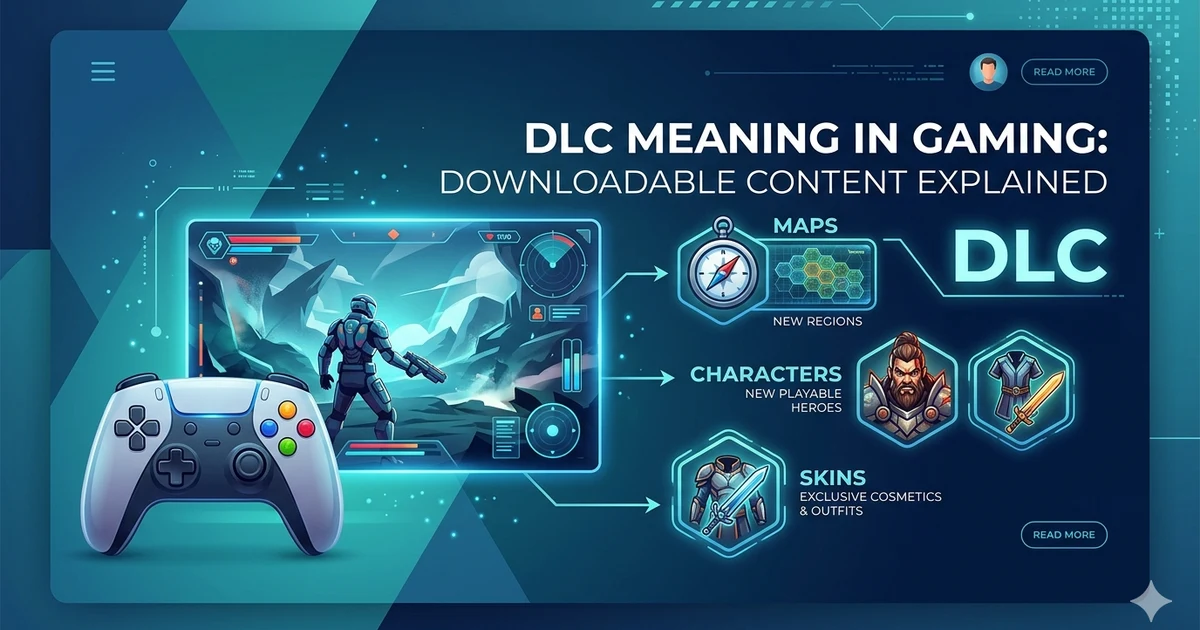
DLC stands for Downloadable Content, a type of extra digital content added to a video game after its original release. It can include new missions, characters, maps, story expansions, skins, or weapons. Players usually download DLC separately, either for free or by paying, to expand or enhance the base game experience.
In simple terms, DLC is optional game content that gives you more gameplay beyond the main version of the game you already own.
Introduction
DLC is one of the most common terms in modern gaming, especially for players who buy or play games on platforms like PlayStation, Xbox, PC, or Nintendo Switch. If you have ever finished a game and noticed new missions, characters, or areas available for download, that is DLC in action.
People search for DLC because they want to understand why games have extra paid or free content, whether it is required to enjoy the full game, and how it affects gameplay value. Some players also get confused when they see different versions of a game labeled as standard edition, deluxe edition, or ultimate edition, many of which include DLC.
In this article, you will learn what DLC really means, how it works, the different types of DLC, and how it compares to full game expansions. You will also see real examples, common mistakes players make, and practical explanations that help you decide whether DLC is worth it for you.
Meaning or Definition of DLC
DLC, or Downloadable Content, refers to additional digital content created for a video game after its initial release. It is delivered through the internet and added directly into the game you already own. DLC is not a separate full game but an extension of the original game.
The main purpose of DLC is to enhance or expand the base game. Developers use DLC to keep games fresh, add new storylines, or provide cosmetic upgrades that personalize the player experience.
There are two main types of DLC:
- Free DLC
- Paid DLC
Free DLC usually includes updates like new maps, balance changes, or small bonus content. Paid DLC often includes larger expansions such as new story chapters, characters, or gameplay modes.
Primary Meaning vs Other Uses of DLC
Although gaming is the most common meaning, DLC can have other interpretations depending on context:
| Meaning | Where It Is Used | Simple Explanation | Example |
|---|---|---|---|
| Downloadable Content | Video games | Extra game content added after release | New map pack in a shooting game |
| District Level Committee | Government or administration | Local governance group in some regions | Education or planning committee |
| Data Link Control | Networking and computing | Communication protocol layer | Computer network data transfer system |
In everyday online searches, especially in the United States and global gaming communities, DLC almost always refers to Downloadable Content in video games.
How DLC Works in Gaming
DLC works by connecting your base game to additional content stored on game servers. When you download DLC, it integrates directly into your existing game files.
Here is a simple breakdown of the process:
- You purchase or unlock DLC through a game store or platform
- The content is downloaded and installed on your device
- The game recognizes the new content automatically
- You access new features, levels, or items inside the game
DLC can be released at different times after the main game launch. Some games release DLC within weeks, while others release major expansions years later.
Types of DLC With Examples
DLC is not always the same. It comes in different forms depending on what developers want to add.
Story Expansion DLC
Adds new story missions or campaigns.
Example:
A role playing game adds a new chapter that continues the main storyline.
Cosmetic DLC
Changes appearance only, without affecting gameplay.
Example:
New outfits, skins, or weapon designs in a multiplayer game.
Map or Level Packs
Adds new playable areas or maps.
Example:
A racing game adds new tracks or locations.
Character or Hero DLC
Adds new playable characters.
Example:
A fighting game introduces new fighters after release.
Season Pass DLC
A bundle that includes multiple future DLC releases at a discounted price.
DLC vs Expansion Packs
Many players confuse DLC with expansion packs. While they are similar, there are differences in size and depth.
| Term | Meaning | Size | Example |
|---|---|---|---|
| DLC | Small to medium add on content | Small to moderate | New outfit or mission pack |
| Expansion Pack | Large content update | Large | New story region or full campaign |
Expansion packs are usually bigger and more expensive than regular DLC. They often feel like a mini sequel to the original game.
Practical Usage of DLC in Games
DLC is used by game developers for several reasons. It helps extend the life of a game and keeps players engaged for longer.
For players, DLC offers:
- More content after finishing the main story
- New ways to play the same game
- Cosmetic customization options
- Online multiplayer updates
- Seasonal or event based content
For developers, DLC helps generate ongoing revenue and maintain player interest without releasing a completely new game.
Real Life Examples of DLC Usage
Here are simple examples to understand how DLC appears in everyday gaming:
- You finish a story based game and later download a new mission pack that continues the story
- You play a shooting game and buy new weapon skins to customize your character
- You install a racing game DLC that adds new cars and tracks
- You join a multiplayer game where seasonal updates add new maps and rewards
These examples show how DLC fits naturally into modern gaming experiences.
Similar Terms or Related Phrases
DLC is often used alongside other gaming terms:
- Expansion pack
- Add on content
- Game update
- Patch
- Season pass
- Microtransactions
- In game purchases
Each term has a slightly different meaning, but all relate to post release game content.
Common Mistakes About DLC
Many players misunderstand DLC, especially when buying games for the first time.
Here are common mistakes to avoid:
- Thinking DLC is required to play the base game
- Assuming all DLC adds important story content
- Believing all DLC is free
- Confusing DLC with full games or remakes
- Buying DLC before finishing the main game and not using it fully
It is important to remember that DLC is usually optional. You can enjoy most games without it unless it is a major expansion tied to the story.
Conclusion
DLC, or Downloadable Content, is a key part of modern gaming that allows developers to expand a game after release and give players more content over time. It can include new stories, characters, maps, or cosmetic upgrades that enhance gameplay without replacing the original game.
Understanding DLC helps you make better decisions when buying games or additional content. Whether you want more story depth or just visual customization, DLC offers flexible ways to upgrade your gaming experience without needing a new title.
FAQs About DLC
What does DLC mean in games?
DLC means Downloadable Content. It refers to extra content added to a video game after release, such as missions, maps, or characters.
Do I need DLC to play a game?
No. Most games are fully playable without DLC. DLC is optional content that enhances the experience.
Is DLC always paid?
No. Some DLC is free, especially updates or minor content. Larger expansions are usually paid.
What is the difference between DLC and expansion packs?
DLC is usually smaller content updates, while expansion packs are larger additions with more story and gameplay.
Why do games use DLC?
Games use DLC to add new content, keep players engaged, and extend the life of the game.
Can DLC be removed?
Yes. If you uninstall DLC, the game will return to its original version without that extra content.
Is DLC available on all platforms?
Most modern gaming platforms support DLC, including PC, PlayStation, Xbox, and Nintendo systems.