
Quick Answer
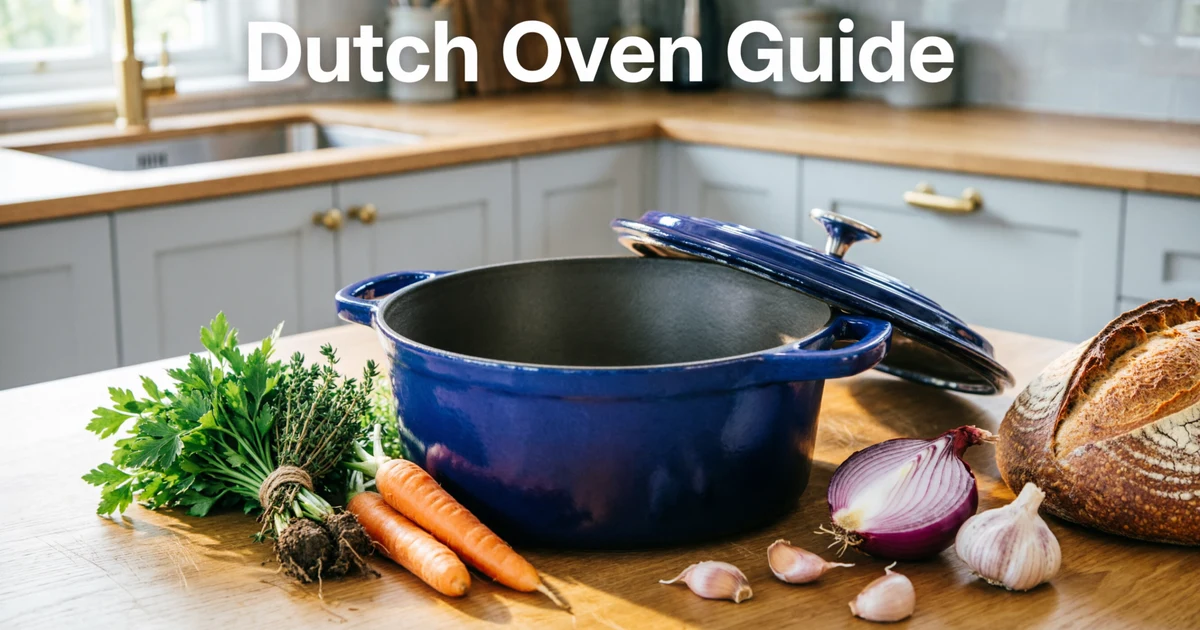
A Dutch oven is a heavy cooking pot with thick walls and a tight fitting lid, usually made from cast iron. People use it for baking bread, making soups, cooking stews, braising meat, and preparing one pot meals. In modern cooking, the term usually refers to an enameled cast iron pot used both on the stovetop and in the oven.
The phrase Dutch oven can also have a slang meaning in casual conversation, but most people searching for this term want information about the cookware.
Introduction
The Dutch oven has become one of the most popular pieces of cookware in modern kitchens. Home cooks love it because it can handle many cooking methods in a single pot. You can sear meat, simmer soups, bake bread, and even roast chicken without changing pans.
Many people search for Dutch oven because they want to know whether it is worth buying, how it differs from other pots, or which recipes work best in it. Others hear the term in cooking videos and want to understand why chefs recommend it so often.
This guide explains exactly what a Dutch oven is, how it works, the different types available, and the best ways to use it. You will also learn about common mistakes, care tips, and answers to frequently asked questions.
Dutch Oven Meaning and Different Uses
| Meaning | Where It Is Used | Simple Explanation | Example |
|---|---|---|---|
| Dutch oven cookware | Cooking and baking | A heavy pot with a tight lid used for slow cooking and baking | Making beef stew |
| Enameled Dutch oven | Modern kitchens | Cast iron pot coated with enamel | Baking artisan bread |
| Slang term | Casual conversation | A humorous expression unrelated to cooking | Used in jokes and informal speech |
What Is a Dutch Oven?
A Dutch oven is a thick, heavy pot designed to hold and distribute heat evenly. Traditional versions are made from seasoned cast iron, while modern versions often have an enamel coating that protects the metal and makes cleaning easier.
The pot’s design offers several advantages:
- Retains heat for a long time
- Cooks food evenly
- Works on stovetops and in ovens
- Handles both high and low temperatures
- Ideal for slow cooking
Because the lid seals in moisture, food stays tender and flavorful during long cooking times.
Why Is It Called a Dutch Oven?
The exact origin of the name remains debated, but historians believe the design became popular after improvements in cast iron production techniques that were associated with the Netherlands.
Over time, the term Dutch oven became the standard name for these heavy cooking pots. Today, the name no longer refers to a specific country or manufacturing method. It simply describes this style of cookware.
Types of Dutch Ovens
Traditional Cast Iron Dutch Oven
This version is made entirely from cast iron and requires seasoning to prevent rust. It is popular for camping and outdoor cooking.
Benefits include:
- Extremely durable
- Excellent heat retention
- Works over open flames
Enameled Cast Iron Dutch Oven
This is the most common type found in modern kitchens. The enamel coating prevents rust and makes cleaning easier.
Benefits include:
- No seasoning required
- Easy to maintain
- Available in many colors
- Suitable for acidic foods like tomato sauce
Aluminum Dutch Oven
Some manufacturers make lighter versions from aluminum.
Benefits include:
- Easier to carry
- Heats quickly
- Usually less expensive
However, it does not retain heat as effectively as cast iron.
Dutch Oven Versus Other Cooking Pots
| Cookware | Best For | Heat Retention | Oven Safe |
|---|---|---|---|
| Dutch oven | Stews, bread, braising | Excellent | Usually yes |
| Stock pot | Soups and boiling pasta | Moderate | Sometimes |
| Slow cooker | Hands off cooking | Low | No |
| Saucepan | Sauces and small meals | Moderate | Depends on material |
The Dutch oven stands out because it can replace several pieces of cookware in one kitchen.
What Can You Cook in a Dutch Oven?
One reason for its popularity is versatility.
Soups and Stews
The thick walls keep temperatures steady, which helps flavors develop slowly.
Examples include:
- Chicken soup
- Beef stew
- Chili
- Vegetable soup
Braised Meats
Cuts of meat that usually become tough can turn tender after several hours in a Dutch oven.
Popular dishes include:
- Pot roast
- Short ribs
- Pulled pork
Bread
Many bakers use a Dutch oven to make artisan bread because the lid traps steam, creating a crisp crust and soft interior.
One Pot Meals
You can cook complete meals in one pot, such as:
- Rice dishes
- Pasta recipes
- Chicken and vegetables
- Casseroles
Desserts
Dutch ovens can even handle desserts like:
- Cobblers
- Bread pudding
- Fruit crisps
Why Chefs Love Dutch Ovens
Professional chefs often recommend Dutch ovens because they perform well in many situations.
Key reasons include:
- Consistent cooking temperatures
- Excellent moisture retention
- Durable construction
- Attractive serving presentation
- Ability to move from stovetop to oven
A quality Dutch oven can last for decades when cared for properly.
How to Choose the Right Dutch Oven
Consider the Size
| Size | Best For |
|---|---|
| 2 to 3 quarts | One or two people |
| 5 to 6 quarts | Most families |
| 7 to 9 quarts | Large meals and entertaining |
A 5.5 quart Dutch oven is often considered the best all around size for most households.
Choose the Material
For indoor cooking, enameled cast iron is usually the easiest option.
For camping and outdoor use, traditional cast iron often works better.
Check the Weight
Dutch ovens can be heavy. Make sure you can comfortably lift the pot when full.
Examine the Lid
A tight fitting lid improves moisture retention and helps achieve better cooking results.
How to Use a Dutch Oven
Preheat Carefully
Avoid heating an empty enameled Dutch oven over high heat for long periods.
Brown Meat First
Searing ingredients before adding liquid builds flavor.
Use Medium Heat
Cast iron retains heat well, so high temperatures are often unnecessary.
Let Food Cook Slowly
Many Dutch oven recipes taste better when cooked slowly over time.
Caring for a Dutch Oven
For Enameled Models
- Wash with warm water and mild soap.
- Avoid metal utensils that may scratch the enamel.
- Allow the pot to cool before washing.
For Traditional Cast Iron
- Dry immediately after cleaning.
- Apply a light coating of oil.
- Store in a dry place.
Proper care can keep a Dutch oven in excellent condition for many years.
Common Mistakes People Make
Using High Heat All the Time
Dutch ovens retain heat extremely well. Excessive heat can burn food.
Dropping a Hot Pot Into Cold Water
Sudden temperature changes may damage enamel coatings.
Choosing a Pot That Is Too Small
A slightly larger Dutch oven usually provides more flexibility.
Forgetting About Weight
A large cast iron pot filled with food can become surprisingly heavy.
Confusing the Slang Meaning With the Cookware
The term has another informal meaning, but in cooking articles and recipes, Dutch oven almost always refers to the cookware.
Is a Dutch Oven Worth Buying?
For many home cooks, the answer is yes.
A Dutch oven can replace several kitchen items because it works for:
- Baking
- Roasting
- Frying
- Braising
- Simmering
- Serving meals
Although quality models can be expensive, they often last for decades, making them a long term investment.
Conclusion
A Dutch oven is one of the most versatile pieces of cookware you can own. Its ability to bake, braise, roast, and simmer makes it valuable for both beginner and experienced cooks. Whether you choose a traditional cast iron model or an enameled version, a quality Dutch oven can serve your kitchen for many years and help you prepare countless delicious meals.
Frequently Asked Questions
What is a Dutch oven used for?
A Dutch oven is used for soups, stews, bread, braised meats, casseroles, and many other recipes that benefit from even heat and moisture retention.
Can you bake bread in a Dutch oven?
Yes. Many home bakers use a Dutch oven because it traps steam and creates bakery style crusty bread.
Can a Dutch oven go on the stovetop?
Most Dutch ovens work on gas, electric, and induction stovetops, as well as inside the oven.
What size Dutch oven should I buy?
A 5 to 6 quart model works best for most families because it offers enough space for everyday cooking.
Do Dutch ovens need seasoning?
Traditional cast iron versions require seasoning. Enameled Dutch ovens do not.
Can you fry food in a Dutch oven?
Yes. The thick walls help maintain oil temperature, making it suitable for frying.
Why is a Dutch oven so expensive?
High quality cast iron and durable enamel coatings increase manufacturing costs, but these pots often last for decades.
What foods should not go in a traditional cast iron Dutch oven?
Highly acidic foods like tomato sauce can affect seasoning if left in the pot for long periods. Enameled versions handle acidic ingredients much better.