
Quick Answer
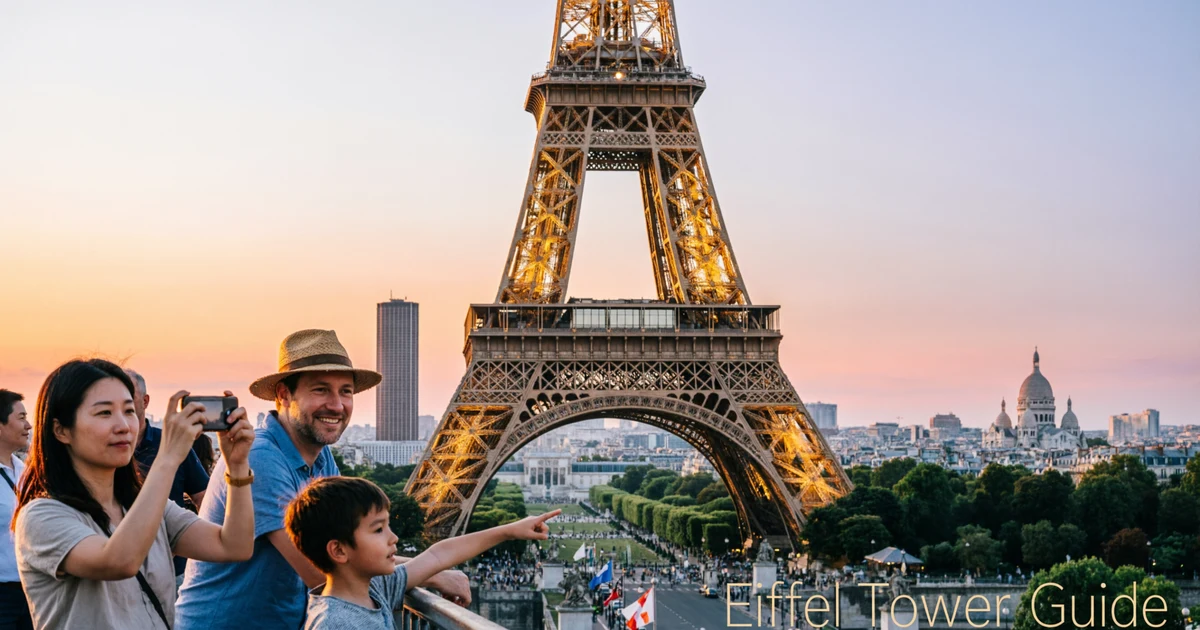
The Eiffel Tower is a world famous iron tower located in Paris. It was built for the 1889 World’s Fair and has become one of the most recognized landmarks on Earth. People search for the Eiffel Tower to learn about its history, height, tickets, restaurants, viewing decks, and travel tips.
The tower stands about 1,083 feet tall including its antennas and attracts millions of visitors every year. It is known for its stunning city views, sparkling night lights, and importance in French culture, tourism, architecture, and engineering history.
Introduction
The Eiffel Tower is one of the most searched travel landmarks in the world. Some people want to know where it is located, while others search for ticket prices, fun facts, or the best time to visit. Students often research it for school projects, and travelers look for practical advice before visiting Paris.
Built in the late 1800s, the Eiffel Tower started as a temporary structure for an international exhibition. Over time, it became a global symbol of romance, art, and innovation. Today, it appears in movies, postcards, travel blogs, social media photos, and history books across the world.
In this guide, you will learn what the Eiffel Tower is, why it was built, how tall it is, what visitors can do there, and why it remains one of the most important landmarks ever created. You will also discover practical travel tips, common mistakes tourists make, and answers to frequently asked questions.
What the Eiffel Tower Is and Why It Matters
The Eiffel Tower is a massive iron lattice tower located on the Champ de Mars near the Seine River in Paris. It was designed by engineer Gustave Eiffel and his company for the 1889 Exposition Universelle, also called the World’s Fair.
The tower originally celebrated the 100th anniversary of the French Revolution. At first, many artists and intellectuals criticized its appearance because they believed it looked strange and industrial. Over time, public opinion changed completely, and the structure became a national symbol.
Today, the Eiffel Tower represents:
| Feature | Explanation |
|---|---|
| Architecture | A major achievement in iron engineering |
| Tourism | One of the most visited paid monuments in the world |
| Culture | A global symbol associated with Paris |
| History | A reminder of late nineteenth century innovation |
| Entertainment | Famous for light shows and panoramic city views |
The tower has three public levels. Visitors can use elevators or stairs to reach observation decks, restaurants, and viewing platforms. On clear days, people can see many miles across Paris.
The Eiffel Tower also plays an important role in broadcasting. Its antennas support radio and television transmissions, which helped save the tower from demolition in the early twentieth century.
History of the Eiffel Tower
Construction of the Eiffel Tower began in 1887 and finished in 1889. More than 18,000 iron parts and millions of rivets were used during construction. At the time, it became the tallest man made structure in the world.
Many Parisians originally disliked the tower. A group of artists even signed a protest letter criticizing the design. Despite the criticism, visitors from around the world admired the engineering achievement during the World’s Fair.
Here is a simple timeline of major events:
| Year | Event |
|---|---|
| 1887 | Construction began |
| 1889 | Tower officially opened |
| 1909 | Planned demolition canceled |
| 1914 | Used for military radio communications |
| 1985 | Modern lighting system added |
| Present Day | One of the world’s most famous landmarks |
The tower survived because it became valuable for scientific experiments and communications. Without that practical use, it might not exist today.
Eiffel Tower Height and Design
The Eiffel Tower stands approximately 1,083 feet tall including antennas. Its height can vary slightly depending on temperature because iron expands and contracts with weather changes.
Here is a quick breakdown of the tower’s structure:
| Section | Approximate Height |
|---|---|
| First Floor | 187 feet |
| Second Floor | 377 feet |
| Top Observation Deck | 906 feet |
| Total Height With Antennas | 1,083 feet |
The structure weighs more than 10,000 tons and was considered a masterpiece of engineering for its time. Engineers carefully designed the curved shape to resist strong wind forces.
Even today, architects and engineers study the Eiffel Tower because of its innovative metal framework and efficient construction techniques.
What Visitors Can Do at the Eiffel Tower
Tourists visit the Eiffel Tower for many different reasons. Some want panoramic views of Paris, while others enjoy dining experiences or photography.
Visit the Observation Decks
The tower offers multiple viewing levels. The top floor gives visitors a breathtaking view of Paris landmarks such as:
- Louvre Museum
- Arc de Triomphe
- Notre-Dame Cathedral
Enjoy Restaurants and Cafes
The Eiffel Tower contains restaurants and dining areas where visitors can enjoy meals with city views. Reservations are often recommended during busy seasons.
Watch the Night Light Show
Every evening, the tower lights up beautifully. It also sparkles for several minutes at the beginning of each hour after sunset, creating one of the most famous nighttime attractions in Paris.
Walk the Stairs
Many visitors choose to climb part of the tower using stairs instead of elevators. This option often costs less and gives a closer look at the iron structure.
Best Time to Visit the Eiffel Tower
The best time depends on the type of experience you want.
| Time | Benefits |
|---|---|
| Early Morning | Shorter lines and quieter atmosphere |
| Sunset | Beautiful lighting and city views |
| Evening | Sparkling lights and romantic setting |
| Off Season | Fewer tourists and shorter wait times |
Spring and fall usually offer pleasant weather with smaller crowds compared to peak summer tourism.
Booking tickets in advance can save significant time, especially during holidays and weekends.
Eiffel Tower Facts Many People Do Not Know
Here are some interesting facts about the Eiffel Tower:
- The tower was originally intended to stand for only 20 years.
- It was once the tallest structure in the world.
- The tower gets repainted regularly to prevent rust.
- Different paint shades are used from bottom to top for visual balance.
- During hot weather, the tower can grow slightly taller because metal expands.
- More than 300 million people have visited the Eiffel Tower since opening.
These details help explain why the structure remains important not only as a tourist attraction but also as an engineering landmark.
Eiffel Tower Compared With Other Famous Landmarks
| Landmark | Location | Main Material | Approximate Height |
|---|---|---|---|
| Eiffel Tower | Paris | Iron | 1,083 feet |
| Statue of Liberty | New York City | Copper and steel | 305 feet |
| Big Ben | London | Stone and iron | 316 feet |
| Tokyo Tower | Tokyo | Steel | 1,091 feet |
The Eiffel Tower remains one of the most recognizable because of its unique shape and historical significance.
Common Mistakes Tourists Make
Many visitors make avoidable mistakes when planning a trip to the Eiffel Tower.
Waiting Too Long to Buy Tickets
Last minute tickets may sell out during busy travel seasons. Advance booking often saves time and stress.
Visiting Only During Midday
Midday crowds can become extremely large. Early morning and evening visits usually feel more enjoyable.
Ignoring Weather Conditions
Fog, rain, or strong wind can reduce visibility from the top floors. Checking the forecast helps improve the experience.
Forgetting Comfortable Shoes
Visitors who use stairs or spend hours exploring nearby areas benefit from comfortable walking shoes.
Confusing the Sparkle Show Rules
In many cases, commercial use of nighttime sparkle images may involve copyright restrictions. Tourists should check local rules before using professional footage for business purposes.
Why the Eiffel Tower Became a Global Symbol
The Eiffel Tower became famous because it combines history, beauty, engineering, and cultural identity in one structure. Its image instantly reminds people of Paris, travel, romance, and European architecture.
Movies, television shows, advertisements, and social media helped strengthen its global reputation. The tower also represents creativity and innovation from the industrial age.
Unlike many historic structures, the Eiffel Tower still serves practical purposes today while remaining visually iconic.
Conclusion
The Eiffel Tower is much more than a tourist attraction. It represents engineering innovation, cultural history, and the identity of Paris itself. From its dramatic construction story to its breathtaking observation decks, the tower continues to inspire millions of visitors every year.
Whether you are researching for school, planning a vacation, or simply curious about famous landmarks, understanding the Eiffel Tower helps explain why it remains one of the most recognized structures on Earth
FAQs About the Eiffel Tower
Where is the Eiffel Tower located?
The Eiffel Tower stands in Paris near the Seine River on the Champ de Mars.
How tall is the Eiffel Tower?
The tower is about 1,083 feet tall including antennas.
Who built the Eiffel Tower?
Engineer Gustave Eiffel and his company designed and built the tower.
Why was the Eiffel Tower built?
It was constructed for the 1889 World’s Fair celebrating the centennial of the French Revolution.
Can visitors go to the top of the Eiffel Tower?
Yes. Visitors can reach the upper observation deck using elevators, though access may depend on weather and ticket availability.
How long does it take to visit the Eiffel Tower?
Most visits take between two and four hours depending on crowds, dining plans, and whether visitors climb stairs.
Does the Eiffel Tower sparkle every night?
Yes. The tower sparkles for several minutes every hour after sunset.
Is the Eiffel Tower worth visiting?
Many travelers consider it one of the top attractions in the world because of its history, architecture, and city views.