
Quick Answer
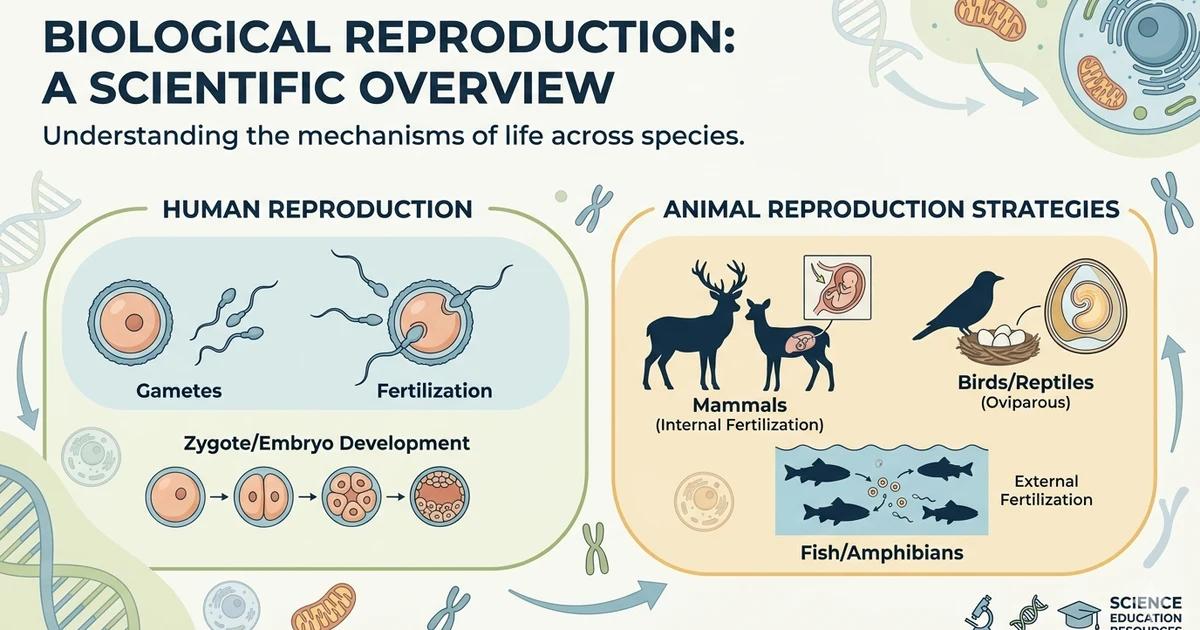
Copulation is the biological process in which two organisms engage in sexual intercourse for reproduction. In humans and many animals, copulation involves the transfer of sperm from the male to the female to help fertilization occur. The word is commonly used in biology, zoology, reproductive science, and medical discussions.
People search for the term copulation to understand its meaning, how reproduction works, differences between mating behaviors in animals, and how the process relates to fertility and sexual reproduction. In everyday conversation, the term is more scientific and formal than words like sex or mating.
Introduction
The word copulation often appears in biology textbooks, medical discussions, animal documentaries, and educational content about reproduction. Many readers search for this term because they want a clear explanation without confusing scientific language. Others encounter it while studying human anatomy, animal behavior, or reproductive science.
In simple terms, copulation refers to sexual intercourse between organisms for reproductive purposes. While the process is commonly associated with humans, the term is widely used in zoology to describe reproductive behavior across many animal species. Different animals have unique mating systems, reproductive strategies, and biological adaptations that influence how copulation occurs.
Understanding copulation helps explain how species reproduce, how fertilization happens, and why mating behaviors differ between animals. This guide covers the meaning of copulation, how the process works, examples in humans and animals, related scientific terms, common misunderstandings, and frequently asked questions in a beginner friendly way.
What Does Copulation Mean?
Copulation is the act of sexual union between two organisms, usually involving the transfer of sperm from a male to a female for reproduction. In biological terms, it is one of the main stages of sexual reproduction.
The term comes from Latin roots meaning connection or union. Scientists and educators use it as a formal word rather than a casual or emotional one.
In humans, copulation typically refers to sexual intercourse involving penetration and ejaculation. In animals, the process varies greatly depending on the species. Some animals reproduce internally through direct mating, while others release reproductive cells externally in water.
Simple Definition
Copulation means the reproductive act where sperm is transferred to allow fertilization.
Main Contexts Where the Word Is Used
| Context | Meaning | Example |
|---|---|---|
| Biology | Sexual reproduction process | A biology class discussing mammal reproduction |
| Zoology | Animal mating behavior | Birds perform mating rituals before copulation |
| Medicine | Reproductive intercourse | Medical texts may use the term formally |
| Education | Scientific explanation of reproduction | Students learning human anatomy |
How Copulation Works
The exact process depends on the species, but the main goal is reproduction through fertilization.
In mammals, including humans, copulation usually follows these steps:
- Attraction or mating behavior
- Physical sexual contact
- Transfer of sperm
- Possible fertilization of an egg
- Pregnancy or embryo development if fertilization succeeds
In many species, hormones influence reproductive behavior. Environmental conditions, mating seasons, and fertility cycles also affect when copulation occurs.
Human Copulation
In humans, copulation is part of sexual reproduction and may also involve emotional intimacy and relationships. During intercourse, sperm may travel through the reproductive tract to fertilize an egg.
Fertilization does not happen every time. Pregnancy depends on factors such as ovulation timing, sperm health, reproductive health, and fertility conditions.
Animal Copulation
Animals show a wide range of reproductive behaviors. Some species mate for life, while others mate with multiple partners during breeding seasons.
Examples include:
| Animal | Copulation Style | Interesting Trait |
| Lions | Multiple mating sessions | Helps increase pregnancy success |
| Birds | Brief mating contact | Often linked with courtship rituals |
| Frogs | External fertilization | Eggs and sperm released into water |
| Seahorses | Female transfers eggs to male | Male carries developing young |
| Insects | Species specific mating methods | Some use chemical signals |
Copulation vs Mating vs Sexual Intercourse
People often confuse these terms because they are related but used differently.
| Term | Main Meaning | Common Use |
| Copulation | Scientific reproductive act | Biology and medical contexts |
| Mating | Pairing for reproduction | Animal behavior discussions |
| Sexual Intercourse | Human sexual activity | Everyday and medical language |
Copulation is usually the most formal and scientific term. Mating is more common when discussing animals. Sexual intercourse is widely used in human health and relationship discussions.
Why Copulation Is Important in Biology
Copulation plays a major role in species survival and genetic diversity. Without reproduction, species cannot continue over generations.
Main Biological Purposes
- Transfer genetic material
- Allow fertilization
- Support species survival
- Increase genetic variation
- Help adaptation over time
Genetic diversity matters because it helps populations survive diseases, environmental changes, and evolutionary pressures.
Types of Reproduction Related to Copulation
Not all organisms reproduce through copulation. Some use asexual reproduction instead.
| Reproduction Type | Requires Copulation | Example |
| Sexual Reproduction | Yes in many species | Humans, dogs, birds |
| External Fertilization | Sometimes indirect | Fish, frogs |
| Asexual Reproduction | No | Bacteria, some plants |
This difference is important in biology because reproductive systems vary widely across living organisms.
Copulation in Different Animal Groups
Mammals
Most mammals use internal fertilization through direct copulation. This includes humans, cats, whales, horses, and dogs.
Birds
Birds often use a quick physical connection called a cloacal kiss. Courtship displays are common before mating.
Reptiles
Many reptiles use seasonal reproductive behavior linked to temperature and environmental conditions.
Fish
Some fish reproduce externally by releasing eggs and sperm into water. Others use internal fertilization.
Insects
Insects may rely on pheromones, vibration signals, or visual displays before mating.
Scientific and Educational Use of the Word
The term copulation appears most often in:
- Biology textbooks
- Reproductive science
- Animal behavior research
- Medical education
- Zoology studies
In everyday conversation, people usually use simpler terms unless discussing scientific topics.
Common Examples of Copulation in Nature
Nature provides many interesting reproductive behaviors that help species survive.
Penguins
Some penguin species form seasonal bonds and share parenting responsibilities after mating.
Wolves
Wolf packs often have one dominant breeding pair responsible for reproduction.
Bees
Queen bees mate during special flights and store sperm for future egg fertilization.
Dolphins
Dolphins are known for complex social and reproductive behaviors beyond simple reproduction.
Common Mistakes and Misunderstandings
Many readers misunderstand the term copulation because it sounds highly technical or is confused with other concepts.
Confusing Copulation With Fertilization
Copulation and fertilization are not identical. Copulation is the reproductive act, while fertilization is the union of sperm and egg.
Assuming It Only Applies to Humans
The term is widely used in animal biology and zoology, not just human reproduction.
Thinking Pregnancy Always Happens
Copulation does not guarantee fertilization or pregnancy. Many biological factors influence reproductive success.
Using the Word in Casual Conversation
Because copulation sounds formal and scientific, it may sound unnatural in everyday conversation compared to words like sex or mating.
Safety and Educational Considerations
When learning about human reproduction, it is important to rely on accurate medical information. Topics such as fertility, contraception, reproductive health, and sexually transmitted infections should be discussed with qualified healthcare professionals when needed.
Educational discussions about copulation should focus on science, health, consent, and responsible understanding of reproduction.
Related Terms and Phrases
| Term | Meaning |
| Fertilization | Union of sperm and egg |
| Reproduction | Process of producing offspring |
| Mating | Pairing for breeding |
| Sexual Reproduction | Reproduction involving genetic material from two parents |
| Intercourse | Physical sexual activity |
| Breeding | Controlled reproduction in animals |
FAQs About Copulation
Is copulation the same as sex?
Not exactly. Copulation is the scientific term for reproductive sexual intercourse, while sex is a broader everyday word that may include emotional, social, or recreational meanings.
What is the purpose of copulation?
The main biological purpose is reproduction through the transfer of sperm for possible fertilization.
Do all animals use copulation to reproduce?
No. Some animals use external fertilization, and some organisms reproduce asexually without mating.
Can copulation happen without fertilization?
Yes. Fertilization does not occur every time copulation takes place.
Why do scientists use the word copulation?
Scientists use it because it is a formal biological term that clearly describes reproductive sexual activity.
Is copulation only used for humans?
No. The term is commonly used in zoology and animal biology to describe reproduction in many species.
What is the difference between mating and copulation?
Mating refers more broadly to reproductive pairing behavior, while copulation specifically refers to the reproductive sexual act.
Conclusion
Copulation is a scientific term that describes the reproductive act involving the transfer of sperm for possible fertilization. The process plays a major role in human reproduction, animal behavior, and biological survival across species. While the word sounds technical, its meaning is straightforward when explained clearly.
Understanding copulation helps readers better understand reproduction, fertility, animal behavior, and biological science. Whether you encounter the term in school, healthcare discussions, or nature studies, knowing its proper meaning prevents confusion and improves scientific understanding.