
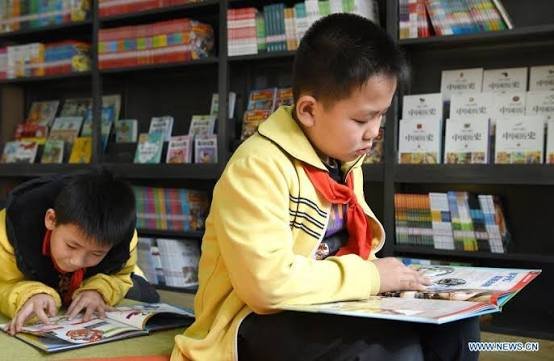
Reading plays an important role in a child’s language development, helping them expand their vocabulary, improve concentration and understand how written language communicates ideas. However, encouraging children to read regularly can be challenging when schoolwork, screen time and other activities compete for their attention.
For families in Singapore, Chinese tuition can provide structured guidance to help children develop stronger reading habits and improve their understanding of Mandarin. Over time, these consistent experiences can strengthen reading confidence, support school performance and help children appreciate Chinese as a language for communication, discovery and lifelong learning.
Why Do Children Sometimes Struggle to Develop Chinese Reading Habits?
Developing reading habits involves more than asking children to open a book each day. They need materials they can understand, opportunities to practise and enough confidence to work through unfamiliar words without becoming discouraged.
Several factors may affect their willingness to read Chinese regularly.
- Limited vocabulary: Children may recognise individual characters but struggle to understand complete sentences when unfamiliar words appear frequently.
- Difficulty recognising characters: Chinese uses characters rather than an alphabetic system, so learners need repeated exposure to recognise written forms and remember their meanings.
- Low reading confidence: Children who frequently need help may feel that reading is difficult, leading them to avoid books or passages.
- Competing interests: Mobile games, videos and other digital entertainment can make reading seem less immediately appealing.
- Unfamiliar subject matter: A passage about a topic that children do not understand may feel harder to follow, even when the vocabulary is relatively simple.
Recognising these difficulties allows parents and tutors to choose suitable reading strategies instead of relying entirely on longer practice sessions.
How Chinese Tuition Can Encourage Regular Reading
A supportive learning environment can help children build reading skills gradually. Rather than expecting immediate fluency, tutors can introduce manageable activities that make progress easier to recognise.
1. Introducing Reading Materials at the Right Level
Children are more likely to develop an interest in reading when they can understand the main ideas without stopping at every sentence. Materials that are too difficult may cause frustration, whereas texts that are too easy may offer limited development opportunities.
Effective reading practice should match a child’s current ability while introducing a few new challenges. Younger learners might begin with picture books, short stories and simple dialogues. Older primary pupils may benefit from comprehension passages, short articles and stories that use vocabulary relevant to their schoolwork.
A tutor can observe how a child responds to different texts and adjust the difficulty accordingly. This helps learners build confidence before progressing to longer passages.
2. Building Vocabulary Through Context
Memorising word lists can help children recognise individual characters, but it does not always teach them how those words function in a sentence. Reading provides a practical way to understand vocabulary through meaning, context and repeated exposure.
For example, a story about visiting a market might introduce words related to food, prices, shopping and conversations. Children can learn what these words mean while seeing how they are used naturally.
Useful vocabulary-building activities include:
- Context clues: Encourage children to work out an unfamiliar word by examining the surrounding sentence.
- Word collections: Ask them to record useful new words, their meanings and a short example sentence.
- Repeated reading: Revisit a familiar passage to strengthen character recognition and improve reading fluency.
- Sentence creation: Invite children to use newly learned words in their own sentences.
These methods help children connect recognition with understanding, making it easier to remember vocabulary when they encounter it again.
Making Chinese Reading More Enjoyable at Home
Tuition sessions can introduce useful techniques, but regular practice at home helps turn reading into a lasting habit. Parents do not need to conduct formal lessons every evening. Short, enjoyable activities can be sufficient when they are consistent.
Create a Simple Daily Reading Routine
A realistic routine is often more effective than an ambitious schedule that becomes difficult to maintain. Families can begin with 10 to 15 minutes of Chinese reading each day, adjusting the duration according to the child’s age and concentration.
Choose a regular time, such as after dinner or before bedtime. Keep books and reading materials somewhere accessible so that starting a session does not require much preparation.
Parents can support the routine by allowing children to choose between two or three suitable books. Giving them some control over what they read can make the experience feel less like a compulsory task.
Use Stories, Pictures and Everyday Materials
Children do not always need formal textbooks to practise reading. Everyday materials can introduce Chinese in familiar and meaningful situations.
Parents can try the following activities:
- Read illustrated stories: Discuss the characters, setting and sequence of events to encourage comprehension.
- Explore signs and labels: Read Chinese words on food packaging, shop signs or notices during family outings.
- Share short articles: Older children can explore age-appropriate articles about animals, sports, technology or their personal interests.
- Retell a story: Ask children to explain what happened in their own words, helping them connect reading with speaking.
- Read together: Take turns reading sentences or paragraphs to make longer passages feel more manageable.
These activities show children that Chinese is not limited to schoolbooks. It is also a language they can use to understand information and participate in everyday life.
Developing Reading Comprehension for Singapore School Assessments
In Singapore, Chinese language assessments require students to do more than recognise characters. They may need to identify main ideas, understand details, interpret information and answer questions using evidence from a passage.
Regular reading can strengthen these abilities by exposing children to different sentence structures, vocabulary choices and writing styles. However, reading quickly without checking understanding may not produce the desired improvement.
Parents and tutors can encourage active reading through simple questions:
- Before reading: What do you think this passage will be about?
- During reading: Which words or sentences help explain what is happening?
- After reading: What is the main idea, and which details support it?
- Personal response: What would you have done in the same situation?
These questions encourage children to think about meaning rather than merely pronounce the words.
When working on comprehension exercises, children should also learn to identify relevant information before answering. For example, if a question asks why a character made a particular decision, they should locate the part of the passage that explains the reason instead of guessing from general impressions.
How Tutors and Parents Can Work Together
Reading progress is usually more consistent when home practice supports the strategies introduced during lessons. Parents can share observations about their child’s interests and difficulties, while tutors can recommend appropriate materials and activities.
At a learning centre such as Mavis Tutorial Centre, structured language support can complement school learning by helping students practise vocabulary, comprehension and other Chinese language skills. The most useful approach depends on the child’s current proficiency, learning pace and areas requiring attention.
A practical home-and-tuition plan might include:
| Area of practice | Suggested activity | Intended benefit |
| Character recognition | Review selected words from a reading passage | Improve familiarity with written Chinese |
| Reading fluency | Read a short passage aloud several times | Build smoother, more confident reading |
| Comprehension | Summarise the passage and answer questions | Strengthen understanding of key information |
| Independent reading | Choose a suitable book or article | Encourage personal interest and regular practice |
| Vocabulary development | Record new words and use them in sentences | Improve retention and language application |
Parents should focus on steady improvement rather than comparing one child’s reading speed with another’s. Some children progress quickly with character recognition but need more time to understand longer passages. Others may understand stories well when listening but need additional practice reading independently.
Common Mistakes to Avoid When Encouraging Reading
Well-intentioned efforts can sometimes make children less interested in reading. A balanced approach helps preserve motivation while maintaining useful learning goals.
- Forcing excessively long sessions: Begin with a manageable duration and increase it gradually as concentration improves.
- Correcting every mistake immediately: Allow children to attempt unfamiliar words before providing guidance, so they can develop independence.
- Choosing books that are too difficult: Select materials that offer a reasonable challenge without overwhelming the learner.
- Treating every book like an examination: Include enjoyable stories and topics alongside comprehension exercises.
- Expecting instant results: Reading confidence develops through repeated exposure, encouragement and opportunities to practise.
Praise specific efforts, such as finishing a passage independently or correctly explaining a new word. Recognising these small achievements helps children understand that improvement comes through practice.
Final Thoughts
Better Chinese reading habits develop when children have suitable materials, regular opportunities to practise and the confidence to explore unfamiliar words.
When additional guidance is needed, chinese tuition can provide structured practice and help learners address specific reading difficulties at an appropriate pace. Combining this support with regular home reading gives children more opportunities to apply what they learn and build lasting confidence. Families exploring ways to strengthen their child’s Chinese language learning can visit mavistutorial.com to learn more about available educational support. With patience, encouragement and consistent practice, reading can gradually become a natural part of a child’s daily routine rather than a task they try to avoid.
Frequently Asked Questions
1. Can Chinese tuition help children enjoy reading more?
Yes, suitable tuition can introduce children to reading materials that match their interests and current ability. Tutors can use stories, vocabulary activities and guided reading to make unfamiliar texts easier to understand. As children experience success with manageable passages, they may become more willing to read independently.
2. How long should a child spend reading Chinese each day?
Younger children can begin with approximately 10 minutes of reading, while older pupils may manage 15 to 20 minutes or more. The appropriate duration depends on their age, reading level and concentration. Consistent short sessions are often more practical than occasional lengthy sessions.
3. What types of Chinese books are suitable for beginners?
Illustrated picture books, short stories, simple dialogues and books with familiar everyday vocabulary are useful starting points. These materials provide context through pictures and straightforward sentences, helping children connect written characters with meaning. Parents should gradually introduce more challenging texts as reading confidence improves.
4. How can parents improve Chinese reading comprehension at home?
Parents can ask children to identify the main idea, explain unfamiliar words and describe what happened in a passage. Discussing why characters behave in certain ways also encourages deeper thinking. These conversations help children move beyond recognising characters towards understanding the message of a text.
5. Is reading practice alone enough to improve Chinese language skills?
Reading practice is valuable, but children also benefit from listening, speaking, writing and vocabulary revision. These skills reinforce one another and help learners use Chinese more confidently in different situations. A balanced approach combining independent reading, schoolwork and appropriate learning support can produce more consistent progress.