
Quick Answer
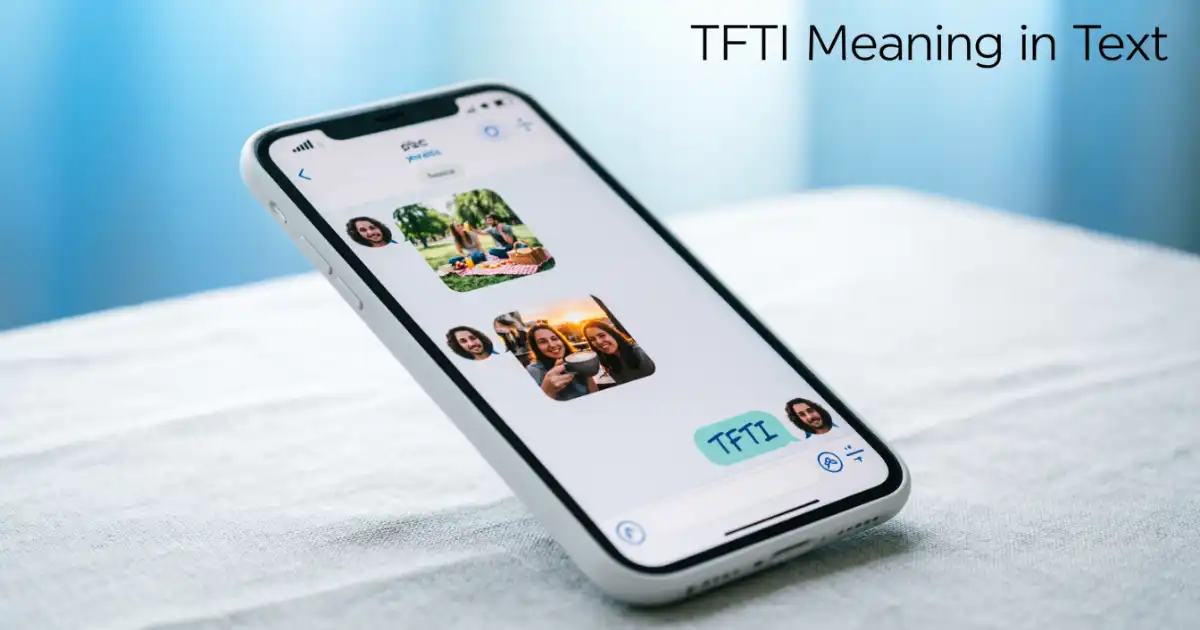
TFTI usually means Thanks For The Invite in texting, social media, and casual online conversations. It is often used sarcastically when someone discovers that friends or other people made plans without inviting them.
For example, if your friends post photos from dinner and you were not invited, replying TFTI 😂 can jokingly mean, “Thanks for leaving me out.” TFTI can also mean Thanks For The Information in some contexts, so the surrounding conversation matters.
Introduction
Seeing TFTI in a text, Instagram comment, group chat, or social media post can be confusing if you have not come across the abbreviation before. The four letters are short for a familiar phrase, but the person using them may not mean the words literally.
In many casual conversations, TFTI is a playful way to point out that someone was not included in an activity, event, dinner, party, trip, or other plan.
The meaning becomes especially clear when you look at what happened immediately before the message. Someone might post pictures from a night out, mention a party, or tell you about a group activity that you did not know about.
A friend could respond with TFTI as a joking complaint. In that situation, the phrase usually carries a little sarcasm rather than genuine gratitude.
This guide explains what TFTI means, how people use it in texts and social media, when it sounds sincere or sarcastic, and how to respond. It also covers the less common meaning Thanks For The Information, so you can understand TFTI correctly from context.
What Does TFTI Mean?
The most common meaning of TFTI is Thanks For The Invite. It is a texting and social media abbreviation made from the first letters of the phrase:
T = Thanks
F = For
T = The
I = Invite
TFTI is generally informal. People use it in texts, comments, group chats, and social media conversations where a short response feels more natural than writing the entire phrase. Dictionary references identify Thanks For The Invite as the main meaning, while also noting that TFTI can sometimes mean Thanks For The Information.
The interesting part is the tone. TFTI can be completely sincere when someone actually invited you:
TFTI! I would love to come.
But it is often sarcastic when someone was not invited:
Everyone went to dinner last night. TFTI 😂
Here, the sender is not really thanking anyone. They are jokingly calling attention to the fact that they were left out.
| Meaning | Where It Is Used | Simple Explanation | Example |
|---|---|---|---|
| Thanks For The Invite | Texts and social media | Thanking someone for inviting you | TFTI! I will be there. |
| Thanks For The Invite, sarcastically | Group chats and social media | Joking about being left out | You guys went without me? TFTI 😂 |
| Thanks For The Information | Some text conversations | Thanking someone for sharing information | The meeting starts at 3. TFTI! |
The first meaning is the one most readers will encounter in casual social conversations.
TFTI Meaning in Text
In text messages, TFTI usually refers to Thanks For The Invite. The exact tone depends heavily on the situation.
If someone sends you an actual invitation, TFTI can express genuine appreciation:
Friend: We are having dinner Saturday. Want to come?
You: TFTI! Sounds fun.
However, if someone tells you about an event that happened without you, TFTI can become sarcastic:
Friend: We all went bowling last night.
You: Oh, TFTI 😂
In this example, the sender probably means something like, “Wow, thanks for inviting me,” even though no invitation was given.
That playful contradiction is what makes TFTI useful in casual online communication.
Why Do People Say TFTI Sarcastically?
TFTI works well as sarcasm because the literal words sound polite while the actual message can express mild annoyance or playful disappointment.
Imagine that three friends go to a concert and later upload a group photo. Another friend sees the post and comments:
TFTI 😭
The person is probably not seriously angry. They may simply be teasing their friends for going without them.
Depending on the relationship, TFTI can communicate:
- I noticed you went without me.
- I would have liked to be invited.
- Nice of you to include me.
- I see what you guys did there.
- Looks like everyone had fun without me.
The tone can range from playful teasing to genuine annoyance. The relationship between the people and the surrounding conversation usually tells you which interpretation makes sense.
How TFTI Is Used on Social Media
TFTI can appear in comments, captions, replies, stories, and group conversations. It is especially easy to understand when someone posts evidence of an activity that another person did not attend.
For example:
Post:
“Best beach day with the crew!”
Comment:
“TFTI 😂”
The comment suggests that the person commenting was not part of the beach trip and is joking about being excluded.
Another example:
Friend: “We grabbed pizza after the game.”
You: “TFTI.”
This can be a lighthearted way of saying that you would have appreciated an invitation.
The use of emojis can also change how the message feels. An emoji such as 😂, 😭, or 🙃 may signal that the person is joking. Without an emoji, the same message can sometimes sound more serious or passive aggressive.
Examples of TFTI in Conversation
Here are several natural examples showing how the abbreviation can work in different situations.
Example 1: Friends Going Out
Alex: We went to that new burger place last night.
Sam: TFTI 😂
Sam is joking that nobody invited them.
Example 2: A Group Trip
Mia: Just got back from the lake with everyone.
Jordan: TFTI 😭
Jordan is playfully complaining about being left out.
Example 3: Genuine Invitation
Chris: We are having a barbecue Saturday. You should come.
Taylor: TFTI! I would love to.
Here, TFTI is sincere because Taylor actually received an invitation.
Example 4: Social Media Post
Post: “Movie night with the squad!”
Comment: “TFTI 🙃”
The commenter is probably joking about not being included.
Example 5: Light Teasing
Friend: We stopped for coffee after class.
You: TFTI. You could have texted me!
This could be friendly teasing rather than a serious complaint.
Can TFTI Mean Thanks For The Information?
Yes. Thanks For The Information is another documented meaning of TFTI, although Thanks For The Invite is more strongly associated with the abbreviation in social situations.
Context makes the difference.
For example:
A: The appointment was moved to 2 PM.
B: TFTI!
Here, there is no invitation involved, so Thanks For The Information makes more sense.
Compare that with:
A: We all went to the concert last night.
B: TFTI.
The second example strongly suggests Thanks For The Invite, probably in a sarcastic way.
When the context involves an event, party, dinner, trip, or outing, the invite meaning is usually the natural interpretation. When someone is simply giving you useful information, the information meaning may fit better.
Is TFTI Rude?
TFTI is not automatically rude, but it can sound sarcastic or passive aggressive depending on how you use it.
Among close friends, saying:
TFTI 😂
may be completely harmless. It can simply be playful teasing.
With someone you do not know well, however, the same message might sound like an actual complaint. The reader may not know whether you are joking.
If you genuinely feel hurt about being excluded, it may be clearer to say what you actually mean instead of relying on sarcasm.
How Should You Respond to TFTI?
Your response depends on whether the person is joking or genuinely upset.
If they are teasing you, you can respond playfully:
My bad 😂 Next time you’re coming.
Or:
You were supposed to be invited!
If you genuinely forgot to invite them, a direct response works better:
Sorry, we made the plans last minute. I should have invited you.
If TFTI was used sincerely after an invitation, you can simply continue the conversation:
Of course! Hope you can make it.
The safest approach is to consider the context before assuming that TFTI is an angry or serious complaint.
TFTI vs Similar Texting Abbreviations
TFTI is related to several casual abbreviations, but they do not mean the same thing.
| Term | Meaning | Best Use | Example |
|---|---|---|---|
| TFTI | Thanks For The Invite | Talking about an invitation | TFTI, I will come! |
| TY | Thank You | General thanks | TY for helping me. |
| TYSM | Thank You So Much | Stronger thanks | TYSM for the gift! |
| TIA | Thanks In Advance | Asking for future help | TIA for your help. |
| FYI | For Your Information | Sharing information | FYI, the meeting moved. |
Knowing these differences can prevent confusion when reading short messages online.
When Should You Use TFTI?
TFTI works best in casual communication. You can use it with friends, family members, classmates, or people you regularly chat with online.
It is particularly natural when:
- Someone actually invites you and you want to thank them casually.
- Friends make plans without you and you want to tease them.
- Someone posts about an event you were not included in.
- You want to make a playful comment about being left out.
It is generally not the best choice for formal emails, professional communication, serious complaints, or situations where the other person may not understand internet slang.
In a workplace setting, for example, writing TFTI after discovering that coworkers attended an event without you could easily be misunderstood. A direct and polite message would communicate your meaning more clearly.
Common Mistakes When Using TFTI
Assuming It Always Means Thanks For The Invite
This is the most important mistake to avoid. TFTI can also mean Thanks For The Information, so check what the conversation is about before interpreting it.
Taking Sarcasm Literally
When someone comments TFTI under a photo of an event they clearly did not attend, they probably are not genuinely thanking the people in the photo.
Using It in Formal Communication
TFTI is informal internet language. A professional email usually calls for complete words and a clearer tone.
Assuming Someone Is Seriously Angry
A friend saying TFTI with a laughing emoji may simply be teasing you. Look at the conversation, relationship, and other messages before assuming there is a serious conflict.
Forgetting That Tone Is Hard to Read
Text does not provide facial expressions or voice tone. A short message such as TFTI can therefore sound more serious than the sender intended.
Conclusion
TFTI most commonly means Thanks For The Invite in texting and social media conversations. Although the phrase can be sincere, people often use it sarcastically when they discover that friends or others made plans without inviting them. Context, emojis, and the relationship between the people can help reveal the intended tone.
TFTI can also mean Thanks For The Information, particularly when someone is responding to useful information rather than discussing an event. When you see TFTI in a message, look at the conversation around it before deciding what the sender means.
FAQs About TFTI
What does TFTI mean in text?
TFTI most commonly means Thanks For The Invite. It is often used sarcastically when someone was not invited to an activity, party, dinner, trip, or other event.
What does TFTI mean on social media?
On social media, TFTI usually means Thanks For The Invite. Someone may comment it under a post about an event they were not invited to as a playful or sarcastic complaint.
Is TFTI sarcastic?
Often, yes. TFTI is commonly used sarcastically to point out that someone was left out. However, it can also be a genuine thank you when the person actually received an invitation.
Can TFTI mean Thanks For The Information?
Yes. Thanks For The Information is another recognized meaning of TFTI. The surrounding conversation usually makes it clear which meaning is intended.
Is TFTI rude?
Not necessarily. Among friends, TFTI can be harmless teasing. However, it may sound passive aggressive or rude if the relationship is not close or the context is unclear.
What does TFTI mean after a party?
If someone says TFTI after learning that other people attended a party without them, it usually means Thanks For The Invite sarcastically. They are pointing out that they were not invited.
How do you respond to TFTI?
If it is playful, you can respond with humor, such as “My bad 😂” or “Next time you’re coming.” If the person seems genuinely upset, respond directly and acknowledge the situation.
1 thought on “TFTI Meaning in Text: What Does TFTI Mean?”