
Quick Answer
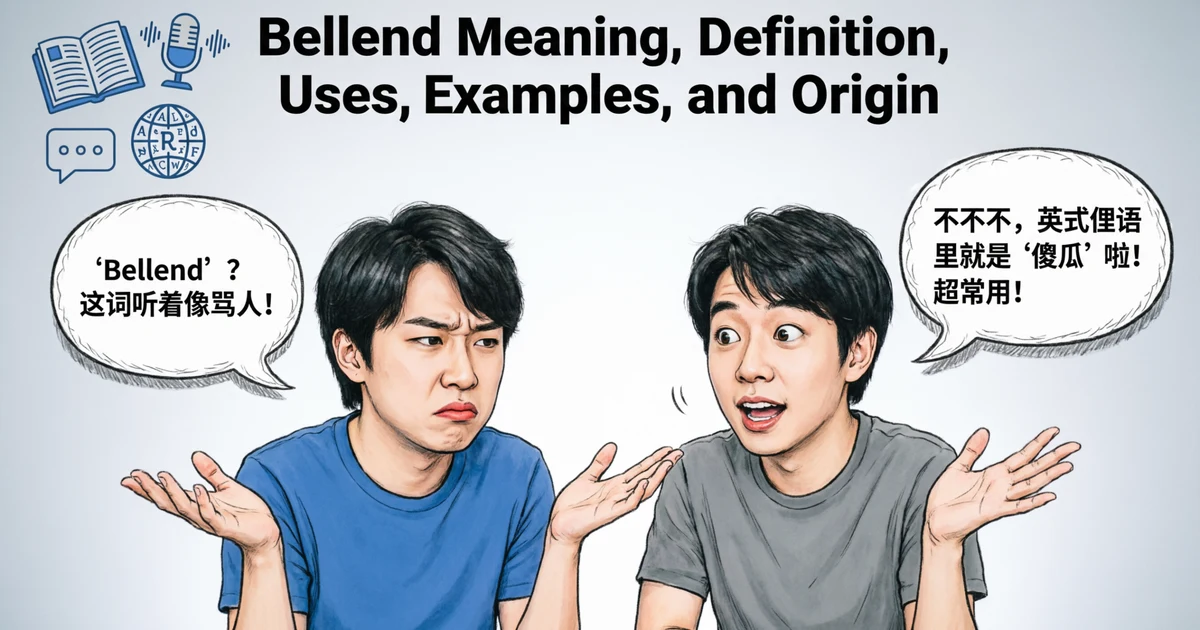
Bellend is a British slang insult that refers literally to the head of the penis, but in everyday conversation it is far more commonly used to describe someone who is foolish, annoying, rude, or acting like an idiot. Most people use it as a humorous or insulting nickname rather than a literal term.
Because it is considered vulgar, it is best avoided in formal settings, workplaces, schools, or conversations with people you do not know well. If you encounter the word online, in movies, or on social media, it almost always refers to a person’s behavior rather than anatomy.
Introduction
If you have seen the word bellend in a TV show, online comment, text message, or social media post, you may wonder what it actually means. Although it appears frequently in British entertainment and internet culture, many readers outside the United Kingdom are unfamiliar with it or misunderstand how it is used.
Unlike some slang words that have multiple unrelated meanings, bellend has one primary meaning in everyday conversation. While it began as a literal anatomical term, modern speakers almost always use it as an insult aimed at someone’s behavior. Depending on the situation, it can express annoyance, frustration, or playful teasing between friends. The tone depends heavily on context and the relationship between the people involved.
This guide explains the meaning of bellend in simple language, where the word came from, how people use it today, and why it can be offensive. You will also learn how it compares with similar slang expressions, when it may sound humorous, and when it is better left unsaid.
Whether you are learning English, watching British television, or trying to understand an online conversation, this article will help you recognize the word and use that knowledge appropriately.
Bellend Meaning at a Glance
| Term | Meaning | Tone | Example |
|---|---|---|---|
| Bellend | A foolish, irritating, or obnoxious person | Vulgar and insulting | Stop being such a bellend. |
| Literal meaning | The head of the penis | Anatomical | Rarely used in everyday conversation |
| Modern slang | Someone acting like an idiot | Informal | He was acting like a complete bellend. |
What Does Bellend Mean?
The most common meaning of bellend is a stupid, annoying, or inconsiderate person. It is a slang insult used to criticize someone’s actions rather than describe who they are permanently.
For example, if someone cuts in line, behaves selfishly, or deliberately causes trouble, another person might call them a bellend. The insult suggests that the person is behaving foolishly or making life difficult for others.
Although the word sounds unusual to many Americans, it is widely recognized in British English. It often appears in casual conversations, comedy programs, films, online discussions, and sports banter. The level of offense varies depending on the audience. Some people see it as a mild insult among friends, while others consider it quite rude because of its anatomical origin.
Understanding the context is important. Friends joking with each other may use the word without causing offense, but using it toward a stranger or in a professional setting could easily create conflict.
Literal Meaning
The word originally refers to the rounded head of the penis. This anatomical meaning explains why many people consider the term vulgar, even though it is rarely used literally today.
In everyday speech, the anatomical definition is far less common than the figurative one. Most speakers who say bellend are criticizing someone’s behavior, not referring to anatomy.
Modern Slang Meaning
Today, the slang meaning dominates everyday use.
Someone might be called a bellend if they are:
- Being rude without reason
- Acting selfishly
- Ignoring common sense
- Showing poor judgment
- Trying to annoy other people
- Behaving immaturely
The word usually targets a person’s actions at that moment rather than serving as a serious character judgment.
For instance:
- He parked across two spaces like a complete bellend.
- Don’t be a bellend and spoil the surprise.
- That online troll was acting like a total bellend.
In each example, the speaker criticizes behavior rather than making a literal statement.
Where Did the Word Bellend Come From?
The word bellend developed from its anatomical meaning. The rounded shape of the head of the penis resembles the shape of a small bell, leading to the compound word bell and end.
Over time, English speakers began using anatomical terms as insults. This pattern is common in slang. Many body part names eventually developed figurative meanings that describe unpleasant behavior or personality traits.
As the word spread through casual conversation, comedy, television, and popular culture, its figurative meaning became much more common than its original anatomical definition.
Today, many people recognize bellend only as an insult and may never hear it used in its literal sense.
Why Is Bellend Considered Offensive?
Although some people use bellend jokingly, it remains a vulgar expression because of its origin.
Several factors affect how offensive it sounds.
The relationship between speakers
Close friends sometimes exchange insults playfully. In that setting, bellend may sound more humorous than hostile.
For example:
- Nice one, you bellend. You forgot the tickets again.
Among friends, the tone may suggest teasing instead of genuine anger.
The situation
In professional environments, schools, customer service, or public interactions, calling someone a bellend is generally inappropriate.
Because it is a vulgar insult, many people would consider it disrespectful and unprofessional.
The speaker’s tone
The same word can sound completely different depending on how it is spoken.
A smiling friend may use it as lighthearted banter, while an angry stranger shouting it during an argument clearly intends it as an insult.
Understanding the speaker’s tone, facial expression, and relationship with the listener is essential when interpreting the word.
Regional familiarity
People who regularly hear British English often recognize bellend immediately, while many American readers may have never encountered it before. As British television, streaming services, gaming communities, and social media become more international, the term appears more frequently outside its original audience.
Even so, it remains primarily associated with British slang rather than everyday American English.
How Bellend Is Used in Everyday Conversation
In modern English, bellend almost always appears as an insult directed at someone’s behavior. People rarely use it to describe a person in a serious or permanent way. Instead, it usually refers to something foolish, careless, or irritating that someone has just done.
You may hear the word in casual conversations, online gaming, sports discussions, comedy shows, or social media posts. Because it is informal and vulgar, it is not suitable for professional communication or polite conversation.
The tone can range from playful teasing to genuine anger. Understanding the situation helps determine whether the speaker is joking or expressing real frustration.
Playful Banter
Among close friends, the word can be used jokingly after a harmless mistake.
Examples:
- You forgot the snacks again, you bellend.
- Nice job, bellend. Now we have to start over.
- You locked yourself out again. What a bellend.
In these situations, the insult is usually softened by laughter, smiles, or a friendly relationship.
Expressing Frustration
People also use bellend when someone behaves selfishly or inconsiderately.
Examples:
- That driver cut across three lanes like a complete bellend.
- Someone stole my parking space. What a bellend.
- Don’t be a bellend. Just apologize.
Here, the speaker genuinely criticizes another person’s actions.
Online Conversations
The internet has made British slang more visible around the world. You might see bellend in comments, forums, gaming chats, or social media discussions.
Examples include:
- Ignore him. He’s just being a bellend.
- That troll is a complete bellend.
- Only a bellend would post something like that.
Because online conversations often lack tone of voice, the word may sound harsher than intended.
Examples of Bellend in Different Contexts
Seeing the word in realistic situations makes its meaning easier to understand.
Friends
Situation: One friend accidentally spills coffee everywhere.
Example:
You’re such a bellend. Now we have to clean this up.
The speaker is teasing rather than seriously insulting.
Sports
Situation: A player receives a needless penalty.
Example:
He acted like a complete bellend and cost the team the match.
The word criticizes poor judgment.
Driving
Situation: Someone ignores traffic rules.
Example:
That bellend nearly caused an accident.
The speaker expresses anger at dangerous behavior.
Workplace
Although someone might think the word privately, using it at work is inappropriate.
Instead of saying:
He’s a bellend.
A professional alternative would be:
He’s being difficult to work with.
Social Media
People often use exaggerated language online.
Example:
Only a bellend would spread false information without checking the facts.
Here the word describes irresponsible behavior.
Bellend Compared With Similar Insults
Many English insults describe annoying or foolish behavior, but they differ in strength, tone, and where they are commonly used.
| Term | Meaning | Typical Tone | Common Use |
|---|---|---|---|
| Bellend | Foolish or obnoxious person | Vulgar | British slang |
| Idiot | Someone acting foolishly | Mild | General English |
| Jerk | Rude or inconsiderate person | Mild to moderate | Common in American English |
| Moron | Very foolish person | Moderate | Everyday informal speech |
| Fool | Someone showing poor judgment | Mild | Universal English |
| Numbskull | Silly or unintelligent person | Humorous | Informal conversation |
The main difference is that bellend carries a vulgar background that words like idiot or fool do not.
Similar Slang Terms
English has many slang insults that describe irritating people. They are not exact synonyms, but they often appear in similar situations.
| Slang Term | General Meaning | Offensive Level |
|---|---|---|
| Bellend | Foolish or obnoxious person | Moderate to high |
| Wanker | Annoying or contemptible person | High |
| Prat | Silly person | Mild |
| Twit | Foolish person | Mild |
| Git | Irritating person | Mild to moderate |
| Muppet | Someone acting foolishly | Mild and humorous |
These words are not always interchangeable because each carries a slightly different tone and regional flavor.
Common Situations Where People Use Bellend
The word usually appears when someone behaves in an obviously annoying way.
Common situations include:
- Driving recklessly.
- Interrupting other people.
- Ignoring simple instructions.
- Acting selfishly.
- Posting offensive comments online.
- Breaking promises.
- Showing poor sportsmanship.
- Playing immature pranks.
Notice that the insult usually focuses on behavior instead of appearance or identity.
Common Mistakes People Make
Many English learners misunderstand bellend because they hear it in movies or online without knowing its background.
Assuming It Is Harmless
Some television shows use the word in a humorous way, but it is still considered vulgar.
Do not assume it is acceptable in every conversation.
Using It in Professional Settings
The word should never appear in business emails, customer service, classrooms, interviews, or formal presentations.
Professional alternatives include:
- difficult
- inconsiderate
- rude
- careless
- unprofessional
- disrespectful
Thinking It Is Common Everywhere
While English speakers around the world may recognize bellend, it remains much more strongly associated with British English than American English.
Many Americans understand the meaning only because of movies, television, gaming, or social media.
Forgetting That Tone Matters
Friends laughing together may use the word playfully.
The same word shouted during an argument can easily become offensive and escalate conflict.
Always consider the relationship, setting, and intention before interpreting or repeating slang.
Cultural Differences in the Use of Bellend
Like many slang expressions, bellend reflects the culture where it became popular.
In British English, people often use creative insults as part of casual humor and friendly teasing. Friends may exchange words that sound harsh to outsiders without intending serious offense.
In contrast, many American English speakers either do not recognize the word or understand it mainly through British television, films, streaming platforms, or internet culture. Because it is less familiar, hearing it in everyday conversation may sound stronger or more surprising.
For anyone learning English, the safest approach is to recognize the word rather than actively use it. Understanding its meaning helps you follow conversations, but choosing more neutral language is usually the better option in everyday communication.
When You Should Avoid Using Bellend
Although bellend is a common slang insult in some English speaking communities, it is not appropriate in many situations. Because of its vulgar origin, using it carelessly can offend people or create an unprofessional impression.
Avoid using the word in situations such as:
- At work or during business meetings
- In school, college, or academic writing
- During job interviews
- In customer service conversations
- Around children
- When speaking to someone you do not know well
- In formal emails or public presentations
If you want to criticize someone’s behavior politely, there are better alternatives.
Instead of saying:
- You’re a bellend.
You could say:
- You’re being inconsiderate.
- That was a careless decision.
- You’re acting immaturely.
- That wasn’t very thoughtful.
- Please be more respectful.
These alternatives communicate the same idea without using offensive language.
Conclusion
Bellend is a British slang term that originally referred to the head of the penis but is now used primarily as an insult for someone acting foolishly, rudely, or inconsiderately. While it often appears in British television, films, online discussions, and social media, it remains a vulgar expression that is best avoided in formal or professional situations.
If your goal is simply to understand conversations, recognizing the meaning and context of bellend is usually enough. Knowing when the word is playful, when it is insulting, and when it is inappropriate will help you better understand modern English slang without accidentally offend
Frequently Asked Questions
Is bellend a swear word?
It is generally considered a vulgar slang insult rather than one of the strongest swear words. Because it refers to an anatomical body part, many people consider it offensive, especially in formal settings.
What does bellend mean in slang?
In modern slang, bellend describes someone who is behaving in a foolish, annoying, rude, or inconsiderate way. It is almost always aimed at a person’s actions rather than their appearance.
Is bellend used in American English?
It is much less common in American English. Many Americans recognize the word through British television, movies, online gaming, or social media, but it is not a typical everyday insult in the United States.
Can friends call each other bellend?
Yes, some close friends use the word playfully as part of friendly teasing. However, because it is still vulgar, it depends on the relationship, the setting, and whether everyone involved is comfortable with that kind of language.
What is the literal meaning of bellend?
The literal meaning refers to the head of the penis. Today, however, the figurative slang meaning is far more common than the anatomical one.
Is bellend stronger than idiot?
Usually, yes. While idiot is a general insult, bellend is considered more offensive because of its vulgar origin. The exact impact depends on the speaker’s tone and the situation.
What are some polite alternatives to bellend?
Some common alternatives include:
- Fool
- Idiot
- Jerk
- Rude person
- Inconsiderate person
- Immature person
- Numbskull
These options are generally safer in everyday conversation, though some may still be considered impolite depending on the context.